

The first episode sees Stephen’s journey start close to home as he meets Sir Elton John and David Furnish to talk about their experiences coming out, their civil partnership and decision to raise a child together. He also meets a young Iranian man seeking refuge in the UK as he faces the death penalty in his home country for being gay. [1]
Stephen then travels to Uganda - where the government is proposing a new law that would put gay people to death - and meets government ministers and religious leaders who support the bill. He sees the impact this proposed legislation is having on the lives of gay men and women, and has an emotional conversation with Stosh, a young gay woman who was a victim of 'corrective rape'.
Lastly, Stephen travels to America to explore the workings of Reparative Therapy, a therapy that claims to change people from gay to straight, and visits actor Neil Patrick Harris to talk about his experience of being openly gay in Hollywood.
Blurb from BBC Media Centre.
Episode one is on BBC 2 next Monday.
Stephen travels to Satan's own country, the Nazi apartheid gay gulag Russia, in episode two.
Might be a bit of a square-eye-opener for some to learn things are pretty crappy for gay people in other countries, too.
1. "Iranian newspapers and media outlets have published many accounts since the Iranian revolution in 1979 of executions for same-sex conduct. The overwhelming majority of those executed or on death row are males charged with sodomy, including juvenile offenders who were under 18 when they allegedly committed the act. The Iranian government maintains that most of these individuals have been charged for forcible sodomy or rape.
Because trials on moral charges in Iran are usually held in camera, it is difficult to determine what proportion of those charged and executed for same-sex conduct are LGBT and in what proportion the alleged offense was consensual. Because of the lack of transparency, Human Rights Watch said, it cannot be ruled out that Iran is sentencing sexual minorities who engage in consensual same-sex relations to death under the guise that they have committed forcible sodomy or rape."
The gay media when reporting these usually claimed all the men were executed "just for being gay".
This was usually, at best, unprovable.
As with Russia today, no evidence for stories about Uncle Sam's current bogeyman is needed.
Wonder what the "research" on Stephen Fry's series will be like?
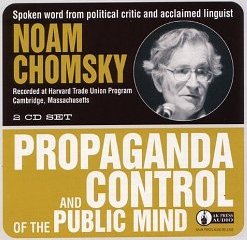
"I can say Iran is a terrible state. I don’t need any evidence. I can say Ghaddaffi carries out terror. Suppose I try to say the US carries out terror, in fact it’s one of the leading terrorist states in the world. You can’t say that... People rightly want to know what do you mean. They’ve never heard that before. Then you have to explain. You have to give background. That’s exactly what’s cut out. Concision is a technique of propaganda. It ensures you cannot do anything except repeat clichés, the standard doctrine, or sound like a lunatic."

 Posts
Posts


No comments:
Post a Comment